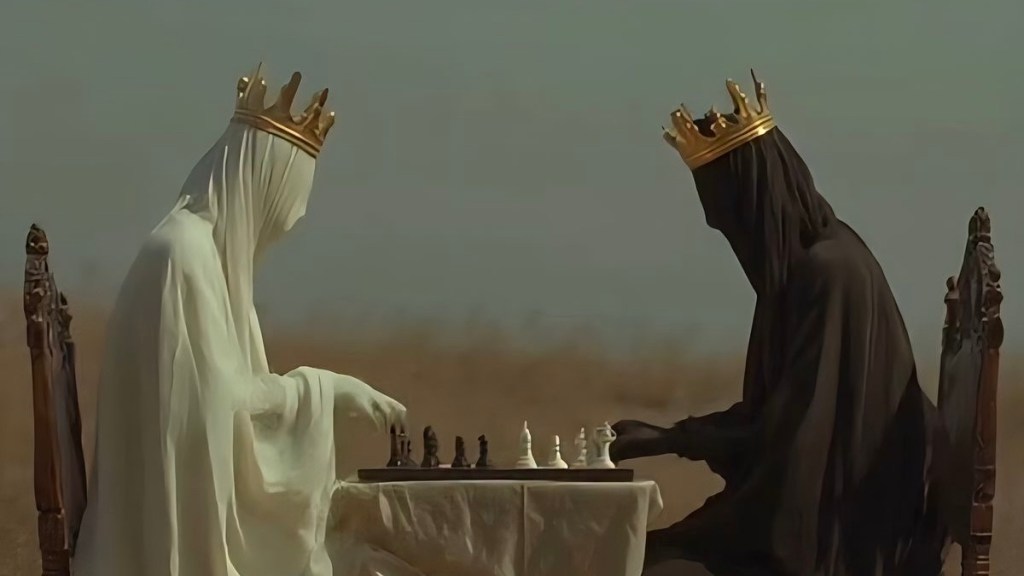
Inspired by Carl Jung’s psychology, let’s explore ten masculine personality archetypes, their strengths, their shadows, and how understanding both can help men become more intentional about the lives they lead.
Editor’s Note: This article is part one of a two-part series exploring personality archetypes, shadow work, and self-discovery. In this installment, we’re exploring masculine personality archetypes. For the feminine perspective, read “Women, Be Your Worst Self: How to Embrace Your Shadows to Win at Life“
What if some of the qualities you’ve been told make you difficult are actually the same qualities that could help you succeed?
Maybe you’ve been told you’re too aggressive. Too emotional. Too stubborn. Too quiet. Too independent. Too ambitious.
Or perhaps you’ve spent years trying to become the kind of man you believe you’re supposed to be.
Strong. Successful. Confident. Disciplined. Unshakable.
Never uncertain. Never vulnerable. Never afraid.
But what happens when the qualities that help you succeed begin working against you?
What happens when confidence becomes arrogance? When independence becomes isolation? When discipline becomes obsession? When protection becomes control?
Gentlemen, before we start talking about becoming better men, perhaps we should examine the men we already are.
And that brings us to an interesting concept from Swiss psychiatrist Carl Jung: the shadow.
Because sometimes the qualities we struggle with aren’t simply weaknesses.
Sometimes they’re strengths we haven’t learned how to manage.
First, What Is an Archetype?
Carl Jung explored archetypes as recurring symbolic patterns and figures found throughout mythology, religion, dreams, and storytelling.
Think of the King, the Warrior, the Lover, or the Sage.
We recognize these figures because they represent familiar human motivations and experiences.
The King seeks leadership and responsibility. The Warrior confronts challenges. The Lover pursues intimacy and connection. The Sage searches for knowledge and understanding.
But here’s something important.
You don’t have to be one archetype.
You can be a King when leading your family, a Warrior when confronting adversity, a Lover in your relationship, and a Sage when making important decisions.
These archetypes offer a language for understanding recurring motivations and behaviors. They aren’t permanent personality assignments.
And although Jung helped establish the psychological foundations of archetypal thinking, the ten masculine archetypes we’ll explore are a contemporary interpretation, not a list Jung personally created.
Now, Let’s Talk About Your Shadow
In Jungian psychology, the shadow refers to aspects of ourselves that we reject, repress, deny, or struggle to acknowledge.
And contrary to popular belief, the shadow isn’t always something sinister.
Sometimes a man suppresses his emotions because he believes vulnerability makes him weak.
He hides his sensitivity because he doesn’t want to appear feminine.
He minimizes his creativity because he believes he should pursue a more practical career.
He suppresses his need for affection because he’s been taught that men shouldn’t need reassurance.
And sometimes, yes, the shadow contains qualities that genuinely need attention.
Jealousy. Aggression. Manipulation. Arrogance. Insecurity. Controlling behavior.
The purpose of shadow work isn’t to justify destructive behavior. It’s to recognize what drives it so you can take responsibility for how you respond.
That’s where growth begins.
Meet the 10 Masculine Personality Archetypes and Their Shadows
Every archetype has strengths that can support a man’s development and tendencies that can interfere with it.
Let’s explore both.
1. The King
His strength: Leadership, authority, confidence, responsibility, and vision.
His shadow: Control, arrogance, entitlement, and difficulty accepting criticism.
The King naturally gravitates toward leadership. He values respect, responsibility, and having a sense of direction.
But when leadership becomes a need to dominate, he may begin confusing authority with superiority.
He might believe that because he’s responsible for something, he should have the final say in everything.
How he wins: He learns that leadership isn’t measured by how much control he exercises, but by the quality of his decisions and the people he empowers.
A secure King doesn’t need everyone to agree with him to feel respected.
2. The Warrior
His strength: Discipline, courage, determination, resilience, and protection.
His shadow: Aggression, defensiveness, emotional suppression, and an inability to rest.
The Warrior knows how to confront difficult situations.
He’s willing to work, compete, sacrifice, and push through adversity.
But what happens when he begins treating every disagreement like a battle?
When he sees vulnerability as weakness?
When he believes his value depends entirely on how much he can endure?
How he wins: He learns to distinguish between situations that require strength and those that require understanding.
Not every challenge deserves confrontation.
Sometimes the strongest response is restraint.
3. The Lover
His strength: Passion, affection, sensuality, empathy, and emotional connection.
His shadow: Jealousy, dependency, impulsiveness, and seeking validation through relationships.
The Lover understands the importance of intimacy.
He’s comfortable expressing affection, pursuing romance, and appreciating emotional and physical connection.
But his desire to feel loved can become problematic when he depends on another person to determine his worth.
He may confuse intensity with intimacy or attraction with genuine compatibility.
How he wins: He learns to enjoy love without losing his identity.
His ability to connect becomes a strength when accompanied by emotional regulation, boundaries, and self-respect.
4. The Rogue
His strength: Independence, boldness, adaptability, and willingness to challenge convention.
His shadow: Recklessness, avoidance of accountability, impulsiveness, and resistance to commitment.
The Rogue doesn’t particularly enjoy being told what to do.
He values freedom, individuality, and living according to his own rules.
And sometimes that independence allows him to pursue opportunities other men wouldn’t consider.
But there’s a difference between being independent and refusing responsibility.
How he wins: He learns that freedom doesn’t require rejecting every obligation.
He can question expectations without sabotaging his own stability.
The most effective Rogue knows which rules deserve challenging and which boundaries are worth respecting.
5. The Prince
His strength: Charm, refinement, idealism, sensitivity, and self-expression.
His shadow: Vanity, entitlement, insecurity, and dependence on approval.
The Prince appreciates beauty, possibility, and the finer details of life.
He may be socially graceful, creatively expressive, and attentive to how he presents himself.
But when appearance and admiration become central to his identity, he may struggle when the attention fades.
He may also expect recognition without developing the discipline necessary to sustain success.
How he wins: He learns that presentation can open doors, but character and competence determine what happens once he’s inside.
His refinement becomes an asset when supported by substance.
6. The Sage
His strength: Wisdom, intelligence, observation, patience, and critical thinking.
His shadow: Overthinking, emotional detachment, cynicism, and intellectual superiority.
The Sage values knowledge.
He enjoys understanding how things work, examining possibilities, and making informed decisions.
But sometimes his desire to understand everything prevents him from experiencing anything.
He may analyze his emotions instead of expressing them or dismiss other perspectives because they don’t meet his standards of logic.
How he wins: He learns that intelligence doesn’t eliminate uncertainty.
He allows himself to make decisions without knowing every possible outcome.
And he recognizes that emotional understanding is another form of intelligence worth developing.
7. The Magician
His strength: Creativity, innovation, imagination, adaptability, and transformation.
His shadow: Manipulation, secrecy, escapism, and inconsistency.
The Magician sees possibilities where others see limitations.
He’s drawn to ideas, reinvention, and finding unconventional solutions.
He may have a talent for understanding systems, influencing outcomes, or transforming a vision into something tangible.
But when his abilities become disconnected from accountability, he may use his intelligence to manipulate situations rather than improve them.
How he wins: He learns to pair imagination with integrity.
His ability to influence becomes more valuable when he uses it transparently and responsibly.
And his creativity becomes more powerful when he follows through.
8. The Gentleman
His strength: Consideration, diplomacy, discipline, emotional restraint, and social awareness.
His shadow: People-pleasing, emotional avoidance, image management, and passive aggression.
The Gentleman understands the value of respect.
He appreciates manners, consideration, and knowing how to conduct himself in different environments.
But sometimes his desire to remain composed prevents him from expressing what he actually feels.
He may avoid uncomfortable conversations because he doesn’t want to appear confrontational.
Or he may become more concerned with looking honorable than behaving honorably when nobody is watching.
How he wins: He learns that politeness and honesty can coexist.
He doesn’t have to sacrifice his boundaries to maintain his reputation.
True sophistication includes the ability to have difficult conversations with dignity.
9. The Boy Next Door
His strength: Warmth, loyalty, authenticity, humility, and approachability.
His shadow: Complacency, conflict avoidance, insecurity, and fear of standing out.
The Boy Next Door is often appreciated for his relatability.
He values familiarity, genuine connection, and being someone others can depend on.
But his desire to remain likable can prevent him from asserting himself.
He may hesitate to pursue opportunities because he doesn’t want to appear overly ambitious or different from the people around him.
How he wins: He learns that being a good man doesn’t require being agreeable all the time.
He can remain kind while becoming more assertive.
His authenticity becomes even more valuable when he has the courage to pursue his own ambitions.
10. The Wild Man
His strength: Instinct, vitality, courage, independence, and connection to his physical nature.
His shadow: Impulsiveness, aggression, emotional volatility, and resistance to structure.
The Wild Man represents an untamed expression of masculinity.
He’s drawn to freedom, physical experience, adventure, and living according to his instincts.
But instincts aren’t always reliable guides.
When he acts without considering consequences, his desire for freedom may create instability for himself and the people around him.
How he wins: He learns to combine instinct with discernment.
He doesn’t need to suppress his adventurous nature.
He needs to recognize when spontaneity serves him and when discipline creates the freedom he wants.
Your Shadow Might Be a Strength in the Wrong Position
Here’s something worth considering.
The same quality that helps a man succeed professionally might create problems in his personal life.
His competitiveness may help him advance in his career but make every disagreement with his partner feel like something he needs to win.
His independence may allow him to build a successful business but prevent him from asking for help.
His emotional restraint may help him remain composed during a crisis but make it difficult for the people he loves to feel emotionally connected to him.
His ambition may motivate him to achieve extraordinary things but leave him unable to enjoy what he’s accomplished.
The problem isn’t always the quality itself. Sometimes it’s how, when, and why he’s using it.
A man doesn’t necessarily need less ambition. He may need a healthier relationship with achievement.
He doesn’t necessarily need less confidence. He may need greater humility.
He doesn’t necessarily need to become less independent. He may need to recognize the value of interdependence.
And he doesn’t need to eliminate his emotions to become strong.
Sometimes personal growth requires refining a quality rather than suppressing it.
How to Use Your Shadow to Your Advantage
Understanding your shadow is only useful if it changes how you navigate your life.
Start by asking yourself three questions.
1. What quality do people consistently criticize about me?
Are you frequently described as stubborn, emotionally unavailable, arrogant, overly competitive, controlling, or difficult to approach?
Not every criticism is accurate.
But recurring feedback may reveal patterns worth examining.
Instead of immediately defending yourself, consider when those behaviors appear and what purpose they might serve.
2. When does this quality help me, and when does it hurt me?
Perhaps your competitiveness motivates you to achieve your goals but creates unnecessary conflict in your relationships.
Perhaps your independence helps you make difficult decisions but prevents you from receiving support.
Perhaps your confidence makes you an effective leader but occasionally causes you to overlook other people’s contributions.
The distinction matters.
3. How can I use this quality intentionally?
The goal isn’t to abandon your natural tendencies.
It’s to develop enough awareness to decide when those tendencies are useful and when another response would serve you better.
A King can choose collaboration.
A Warrior can choose peace.
A Lover can choose boundaries.
A Rogue can choose accountability.
A Sage can choose vulnerability.
A Gentleman can choose honesty over approval.
And a Wild Man can choose discipline.
That’s personal power.
Becoming a Better Man Doesn’t Mean Becoming Someone Else
There’s a common misconception that becoming a better man requires adopting a particular version of masculinity.
Be more dominant. Be more stoic. Be more successful. Be more aggressive. Be less emotional.
But who decided that every man should express masculinity the same way?
Not every man is naturally commanding.
Not every man is emotionally reserved.
Not every man wants to lead an organization, build an empire, or compete for status.
Some men are creators.
Some are thinkers.
Some are nurturers.
Some are adventurers.
And many embody several of these qualities.
Although Becoming Her was created with women in mind, its principles of self-discovery, self-expression, and personal growth apply to everyone, regardless of gender.
Within the Becoming Her framework, we begin with Essence, the qualities that appear to be true about us even when we’re not trying to create an impression.
Understanding personality archetypes can help men recognize recurring patterns in their motivations and behavior.
Shadow work encourages them to examine the qualities they’ve suppressed, denied, or struggled to manage.
Together, these ideas offer an opportunity to become more conscious of who they are and how they affect others.
And there’s a difference between accepting yourself and refusing to grow.
You can acknowledge your flaws without making them your identity.
You can appreciate your strengths without using them to justify harmful behavior.
You can recognize your natural tendencies while learning new ways to respond.
You don’t have to become a different man to become a more intentional one.
So, Which Archetype Are You?
Maybe you’re a King who’s learning to release control.
A Warrior who’s learning that vulnerability doesn’t diminish strength.
A Lover who’s learning to maintain his identity in relationships.
A Rogue who’s learning that responsibility doesn’t mean losing freedom.
A Sage who’s discovering that not everything in life can be solved through logic.
Or a Wild Man who’s learning to balance instinct with discipline.
You may recognize yourself in several archetypes.
That’s perfectly reasonable.
The point isn’t to identify a label and spend the rest of your life trying to live up to it.
It’s to recognize your patterns, understand their consequences, and decide what deserves to be strengthened, softened, or transformed.
Because sometimes the very quality you’ve been trying to suppress is the one you need to understand.
Your shadow isn’t something to worship or fear. It’s something to understand.
And perhaps becoming a better man begins when you stop treating parts of yourself as the enemy.
References & Further Reading
- Jung, C. G. Aion: Researches into the Phenomenology of the Self. 1951.
- Jung, C. G. The Archetypes and the Collective Unconscious. Collected Works, Volume 9, Part 1.
- Moore, Robert L., and Douglas Gillette. King, Warrior, Magician, Lover: Rediscovering the Archetypes of the Mature Masculine. 1990.
- Bly, Robert. Iron John: A Book About Men. 1990.
- Pearson, Carol S. Awakening the Heroes Within: Twelve Archetypes to Help Us Find Ourselves and Transform Our World. 1991.
Editorial note: Editorial note: This article uses a contemporary, Jung-inspired set of masculine personality archetypes as a tool for self-reflection.






Leave a Reply