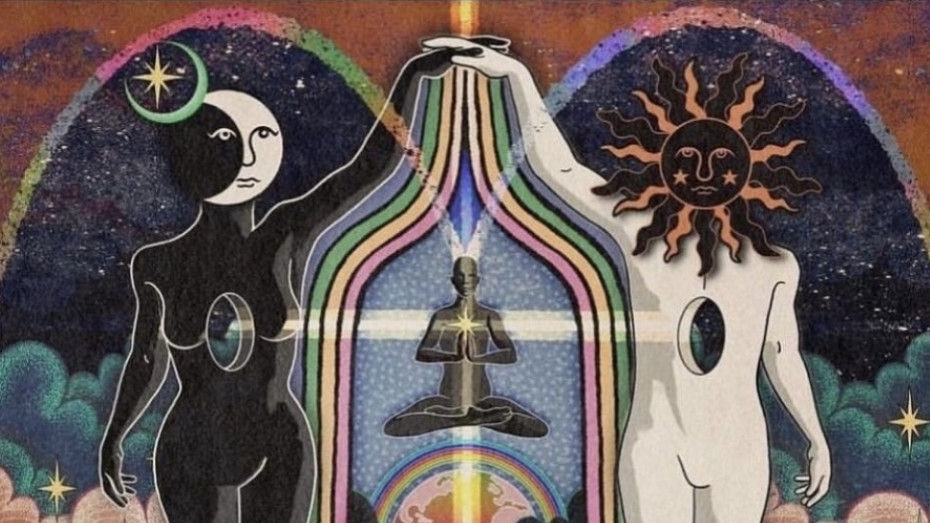
So much of what society has taught us about feminine and masculine energy is misleading. We are handed rules about how to behave, how to love, and even how much of ourselves we should reveal. Those rules invite us to judge ourselves and others for expressing who we truly are.
Am I too independent to be feminine? Too sensitive to be masculine? If I take the lead, will I lose my softness? If I receive care, will I lose my strength?
Let’s rethink those ideas and make room for all the different parts of who we are.
The Stereotypes We Inherit
The feminine stereotype often asks a woman to be soft, agreeable, nurturing, beautiful, and willing to be led. In its most restrictive form, she is expected to receive without initiating, support without challenging, and remain pleasant even when something bothers her.
The masculine stereotype often asks a man to be strong, decisive, financially capable, protective, and always in control. In its most restrictive form, he is expected to provide without needing support, lead without uncertainty, and feel without showing it.
These expectations can turn ordinary human qualities into tests of whether someone is woman enough or man enough.
A woman’s ambition becomes evidence that she is “in her masculine.” A man’s vulnerability becomes evidence that he lacks strength. Independence gets confused with emotional distance. Receptivity gets confused with obedience.
The labels begin to tell us what we are allowed to be.
We can have all these qualities without letting them limit who we are.
Once we give ourselves that freedom, we can explore how these qualities support one another.
Two Strands, One Structure
There is something beautiful about the shape of DNA: two strands winding around one another, connected, forming a shared structure. Looking at it, I started thinking about Yin and yang symbol and how feminine and masculine energy might work together in a similar way.
The connection I am making is symbolic. DNA’s strands are not male and female. But their shape offers an image worth reflecting on: two distinct parts contributing to a shared whole.
Yin and yang offers another image for this reflection: two curved forms within one circle, each carrying a small dot of the other. It reminds us that we can be confident and caring, and open to receiving while still taking intatitive.
What happens when we bring complementary qualities together? When direction meets openness? When structure gives flow somewhere to move?
Perhaps that is where a different kind of beauty begins.
Think about a garden. It needs care, space, water, and time. It also needs someone to plant, tend, and protect it. Growth needs both care and action.
That same goes for our lives. We can work toward what we want and stay open to surprises. We can put in effort and make time to rest.
The beauty is in how these qualities support one another.
Balance Has a Rhythm
Balance does not always look like equal portions. Sometimes a moment asks us to act, to make the call, set the boundary, or take the first step. Sometimes it asks us to listen, accept support, or give something time to develop.
We can’t control everything, but we can’t always sit and wait either. We need to know when to act and when to let things unfold.
You can take charge at work and enjoy being cared for at home. You can stand firm in a disagreement and still listen. You can be someone’s source of strength and still need their support.
Feminine and masculine energy can coexist within one person, allowing us to be both receptive and assertive, tender and strong. Rather than judging ourselves by whichever quality we expressed most recently, we can ask: What does this moment need, and can I respond without abandoning myself?
Two People, One Shared Creation
The same flexibility goes for relationships. Balance is about how two people support each other and grow together.
Can we offer each other enough steadiness to be vulnerable? Can we bring energy to each other’s dreams? Can we take turns carrying responsibility and receiving care?
One person may bring calm to a particular moment while the other brings momentum. Tomorrow, their needs and contributions may shift.
A couple may enjoy different roles. What matters is choosing roles that work for both of you while having room to be yourselves.
Both people deserve a voice. Both can initiate affection. Both can nurture. Both can need reassurance and offer it.
Like the two strands in our visual metaphor, two people can come together while keeping their own voices, identities, and direction. Society’s rigid rules about feminine and masculine energy can limit that freedom, asking each person to fit a role rather than explore their full potential. When both people can express their strength, tenderness, initiative, and receptivity, they create a relationship with room to grow individually and together.
Bringing It Together Within Yourself
I find comfort in the possibility that I can build a life and enjoy living it at the same time.
I can work toward my dreams while making room for pleasure. I can take responsibility and accept help. I can create a plan while leaving space for surprise.
These qualities become more useful when they are in conversation with one another. Structure gives softness a place to rest. Softness gives structure flexibility. Action carries an intention forward. Receptivity allows something new to enter.
That is what draws me to the DNA strands and the yin-yang symbol: different qualities coming together to create balance. A beautiful life has room to be strong, show care, know what you want, and stay open to new possibilities.
And sometimes the next step is simply asking: What does this moment need from me and what can I allow myself to receive?






Leave a Reply