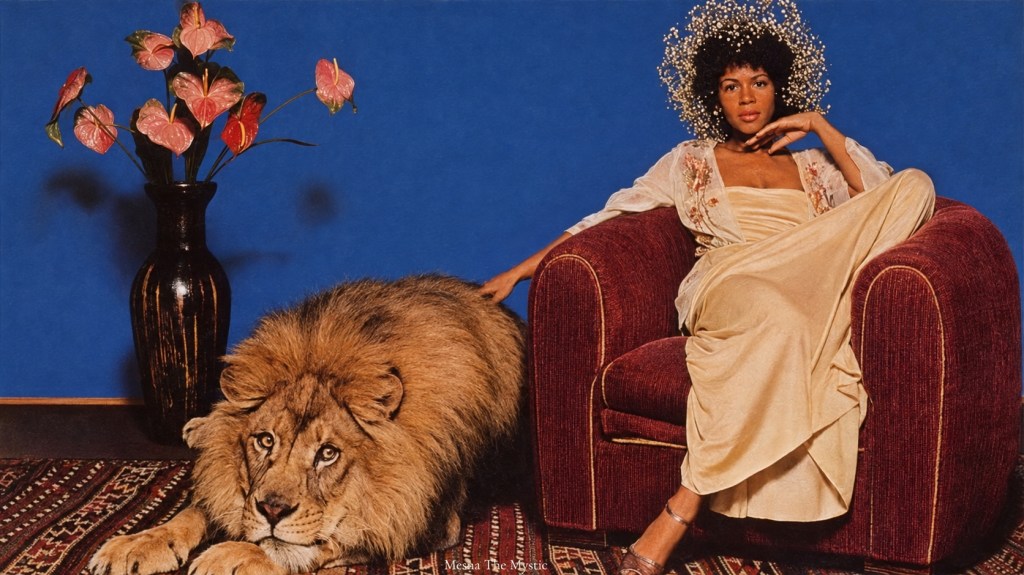
Inspired by Carl Jung’s psychology, let’s explore the different sides of our personalities and why the qualities we try to suppress may be the very ones we need to succeed.
Editor’s Note: This article is part one of a two-part series exploring personality archetypes, shadow work, and self-discovery. In this installment, we’re exploring feminine personality archetypes. For the masculine perspective, read “Be Your Worst Self: How Men Can Use Their Personality Archetypes to Win at Life.”
What if the parts of your personality you’ve spent years trying to change are actually some of your greatest assets?
Maybe you’ve been told you’re too intimidating. Too emotional. Too independent. Too sensitive. Too outspoken. Too much of something.
And somewhere along the way, you started believing those qualities were problems that needed fixing.
But what if they weren’t?
What if the goal isn’t to become an entirely different woman, but to understand the woman you already are, including the parts you don’t particularly like?
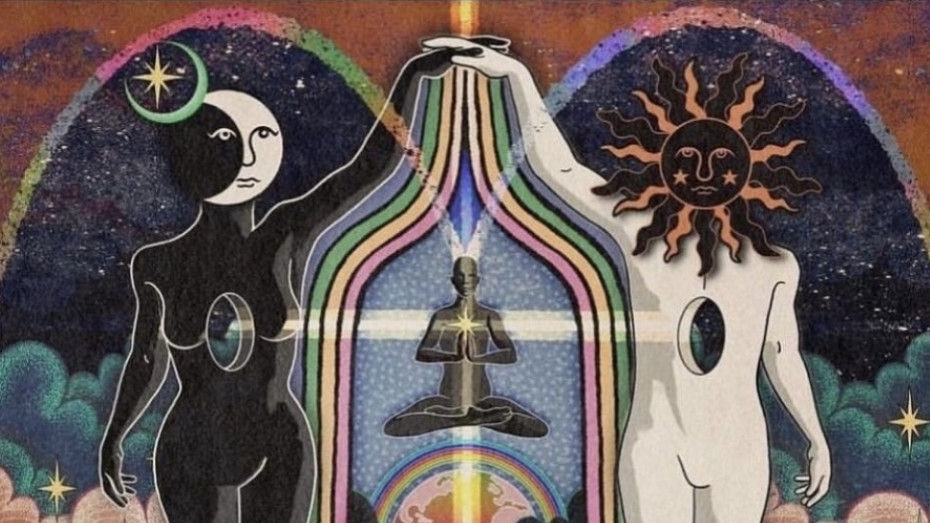
This brings us to an interesting concept from Swiss psychiatrist Carl Jung: the shadow.
Before we focus on becoming our highest selves, perhaps we should first get to know the parts of ourselves we’ve spent so much time hiding.
First, What Is an Archetype?
Carl Jung explored archetypes as recurring patterns and symbolic figures that appear throughout human experience, mythology, dreams, and storytelling.
Think of the familiar characters and personalities we encounter in books, movies, relationships, and even everyday life. Some people naturally take charge, others seek adventure, some prioritize connection, while others question everything around them.
These patterns can help us recognize different aspects of human behavior, motivation, and identity.
But here’s where things get interesting.
You don’t have to fit into just one archetype.
Different parts of your personality may emerge depending on your circumstances, relationships, and experiences.
Archetypes give us a language for exploring these tendencies. They aren’t permanent personality assignments or boxes we’re expected to fit into.
Although Jung helped establish the psychological foundation for archetypal thinking, the twelve personality archetypes we’ll explore later are a modern, Jung-inspired interpretation, not a list Jung personally created.
But understanding our personality is only part of the story. What about the parts of ourselves we’d rather not acknowledge?
Now, Let’s Talk About Your Shadow
In Jungian psychology, the shadow refers to aspects of ourselves that we reject, repress, deny, or struggle to acknowledge.
These aren’t always negative qualities.
Sometimes we suppress our ambition because we don’t want to appear selfish.
We hide our sensuality because we fear judgment.
We minimize our intelligence because we don’t want to intimidate people.
We suppress our anger because we’ve been taught that a good woman should always be pleasant.
And sometimes, yes, our shadows contain qualities that genuinely need attention, such as jealousy, arrogance, manipulation, or controlling behavior.
The goal of shadow work isn’t to excuse those behaviors. It’s to become conscious of them so they no longer operate without our awareness.
That’s where personal growth begins.
Meet the 12 Feminine Personality Archetypes and Their Shadows
Every archetype has qualities that can support your growth and tendencies that can interfere with it.
Let’s explore both.
1. The Queen
Her strength: Leadership, confidence, authority, and high standards.
Her shadow: Control, pride, and difficulty accepting vulnerability.
The Queen knows how to take charge. But when her desire for leadership becomes a need to control everything, she may struggle to trust other people.
How she wins: She learns that leadership doesn’t require managing everyone. Her power grows when she knows when to direct, when to delegate, and when to allow others to contribute.
2. The Sage
Her strength: Wisdom, intelligence, observation, and critical thinking.
Her shadow: Overthinking, emotional detachment, and intellectual superiority.
The Sage wants to understand everything before making a decision.
Unfortunately, life doesn’t always provide enough information to guarantee the perfect outcome.
How she wins: She learns to trust her judgment without demanding absolute certainty. Knowledge becomes more valuable when she puts it into action.
3. The Lover
Her strength: Passion, affection, sensuality, and emotional connection.
Her shadow: Dependency, jealousy, and losing herself in relationships.
The Lover understands the beauty of connection. But her desire for intimacy can become problematic when she begins sacrificing her identity to preserve it.
How she wins: She learns to love deeply without abandoning herself. Her capacity for affection becomes a strength when accompanied by boundaries and self-respect.
4. The Warrior
Her strength: Discipline, courage, resilience, and determination.
Her shadow: Defensiveness, hyper-independence, and difficulty resting.
The Warrior knows how to survive difficult circumstances.
But what happens when she continues fighting long after the battle is over?
How she wins: She learns to recognize when strength requires action and when it requires rest. Not every situation deserves a fight, and not every responsibility belongs to her.
5. The Creator
Her strength: Imagination, originality, innovation, and self-expression.
Her shadow: Perfectionism, procrastination, and fear of criticism.
The Creator can envision possibilities other people haven’t considered.
But sometimes her imagination becomes the very thing that prevents her from finishing.
How she wins: She stops waiting for perfection and starts allowing her ideas to exist in the real world. Her creativity becomes powerful when she consistently produces.
6. The Nurturer
Her strength: Compassion, generosity, emotional awareness, and support.
Her shadow: Self-neglect, rescuing, and difficulty saying no.
The Nurturer has a gift for making others feel cared for.
But when she becomes responsible for everyone else’s happiness, her generosity can turn into resentment.
How she wins: She learns that caring for herself doesn’t diminish her ability to care for others. Boundaries protect her generosity.
7. The Explorer
Her strength: Independence, curiosity, adaptability, and adventure.
Her shadow: Restlessness, avoidance, and difficulty committing.
The Explorer thrives on discovering new possibilities.
But constantly searching for something better can prevent her from appreciating what’s already in front of her.
How she wins: She learns that freedom and commitment aren’t necessarily opposites. Sometimes the greatest adventure comes from staying long enough to build something meaningful.
8. The Rebel
Her strength: Authenticity, courage, independence, and challenging outdated expectations.
Her shadow: Defiance, impulsiveness, and resistance to guidance.
The Rebel isn’t afraid to question the rules.
But rejecting something simply because it’s conventional doesn’t automatically make her liberated.
How she wins: She learns to distinguish between rules that genuinely limit her and structures that can support her success. She challenges convention with intention rather than reflex.
9. The Mystic
Her strength: Intuition, introspection, imagination, and spiritual curiosity.
Her shadow: Escapism, idealization, and ignoring practical realities.
The Mystic searches for meaning beyond what is immediately visible.
But sometimes her desire to interpret everything can distract her from what is happening right in front of her.
How she wins: She learns to balance intuition with evidence. She can honor her spiritual beliefs while making grounded decisions.
10. The Muse
Her strength: Inspiration, originality, charisma, and creative influence.
Her shadow: Validation-seeking, comparison, and dependence on admiration.
The Muse has a way of inspiring others through her perspective, creativity, or presence.
But what happens when she begins measuring her worth by how much attention she receives?
How she wins: She learns to create and express herself even when nobody is watching. Her influence becomes more authentic when it isn’t dependent on applause.
11. The Everywoman
Her strength: Authenticity, practicality, humility, and connection.
Her shadow: Conformity, people-pleasing, and fear of standing out.
The Everywoman understands the value of belonging.
But sometimes her desire to fit in prevents her from exploring what makes her different.
How she wins: She learns that belonging doesn’t require becoming indistinguishable from everyone else. She can remain relatable without minimizing herself.
12. The Jester
Her strength: Humor, spontaneity, optimism, and social intelligence.
Her shadow: Avoidance, distraction, and using humor to hide discomfort.
The Jester knows how to make life feel lighter.
But not every uncomfortable situation can be resolved with a joke.
How she wins: She learns when humor can heal and when honesty is necessary. Her ability to bring joy becomes even more meaningful when she can also make room for serious conversations.
Your Shadow Might Be a Strength in the Wrong Position
Here’s something worth considering.
The same quality that helps you succeed in one environment might create problems in another.
Your independence may help you build a career but make it difficult to accept support.
Your sensitivity may help you understand people but leave you overwhelmed when you absorb everyone’s emotions.
Your ambition may motivate you to achieve extraordinary things but prevent you from enjoying what you’ve accomplished.
Your confidence may help you command a room but occasionally make you dismissive of other perspectives.
The problem isn’t always the quality itself. Sometimes it’s how, when, and why you’re using it.
This is where self-awareness becomes valuable.
You don’t necessarily need less ambition. You may need a healthier relationship with achievement.
You don’t necessarily need to become less emotional. You may need better emotional regulation.
You don’t necessarily need to become less independent. You may need to recognize when accepting support is appropriate.
And you certainly don’t need to become less intelligent to make other people comfortable.
Sometimes growth means refining a quality rather than eliminating it.
How to Use Your Shadow to Your Advantage
Understanding your shadow is only useful if it changes how you move through life.
Start by asking yourself three questions.
1. What quality do people consistently criticize about me?
Not every criticism is accurate. But recurring feedback may be worth examining.
Are you frequently described as stubborn, sensitive, intimidating, controlling, distant, or overly independent?
Rather than immediately defending yourself, get curious about when that quality appears and what purpose it serves.
2. When does this quality help me, and when does it hurt me?
Perhaps your stubbornness is determination when you’re pursuing a goal but inflexibility when you’re resolving a disagreement.
Perhaps your sensitivity helps you recognize subtle emotional changes but makes criticism difficult to process.
The distinction matters.
3. How can I use this quality intentionally?
The goal isn’t to suppress your personality.
It’s to develop enough awareness to choose how you respond instead of allowing your automatic tendencies to make every decision.
A Warrior can choose peace.
A Queen can choose collaboration.
A Lover can choose herself.
A Sage can choose action.
A Rebel can choose discipline.
And a Nurturer can choose boundaries.
That’s personal power.
Becoming Her Means Becoming More Conscious of Yourself
One of the biggest misconceptions about personal development is that growth requires replacing your existing personality with a more desirable one.
Become softer. Become more confident. Become less emotional. Become more feminine. Become more disciplined.
But who decided that the woman you already are needs to be replaced?
Perhaps what she actually needs is understanding.
In the Becoming Her framework, we begin with Essence, the qualities that appear to be true about us even when we’re not trying to create an impression.
Exploring personality archetypes can help us recognize some of those recurring qualities.
Shadow work encourages us to examine the parts we would rather ignore.
Together, they invite a more complete understanding of ourselves.
And there’s an important distinction between accepting yourself and refusing to grow.
You can acknowledge your flaws without making them your identity.
You can appreciate your strengths without pretending they never create problems.
You can recognize your natural tendencies while learning new ways to respond.
You don’t have to become a different woman to become a more intentional one.
So, Which Archetype Are You?
Maybe you’re a Queen who’s learning to release control.
A Warrior who’s learning to rest.
A Lover who’s learning boundaries.
A Creator who’s learning to finish what she starts.
Or a Sage who’s finally learning that she doesn’t need to understand everything before taking the next step.
You may recognize yourself in several archetypes, and that’s perfectly reasonable.
The point isn’t to find a label and spend the rest of your life living inside it.
It’s to recognize your patterns, understand their consequences, and decide what deserves to be strengthened, softened, or transformed.
Because sometimes the very thing you’ve been trying to get rid of is the thing you need to learn how to use.
Your shadow isn’t something to worship or fear. It’s something to understand.
And perhaps Becoming Her begins when you stop treating parts of yourself as the enemy.
References & Further Reading
- Jung, C. G. Aion: Researches into the Phenomenology of the Self. 1951.
- Jung, C. G. The Archetypes and the Collective Unconscious. Collected Works, Volume 9, Part 1.
- Pearson, Carol S. Awakening the Heroes Within: Twelve Archetypes to Help Us Find Ourselves and Transform Our World. 1991.
Editorial note: This article uses a contemporary, Jung-inspired set of feminine personality archetypes as a tool for self-reflection.







Leave a Reply