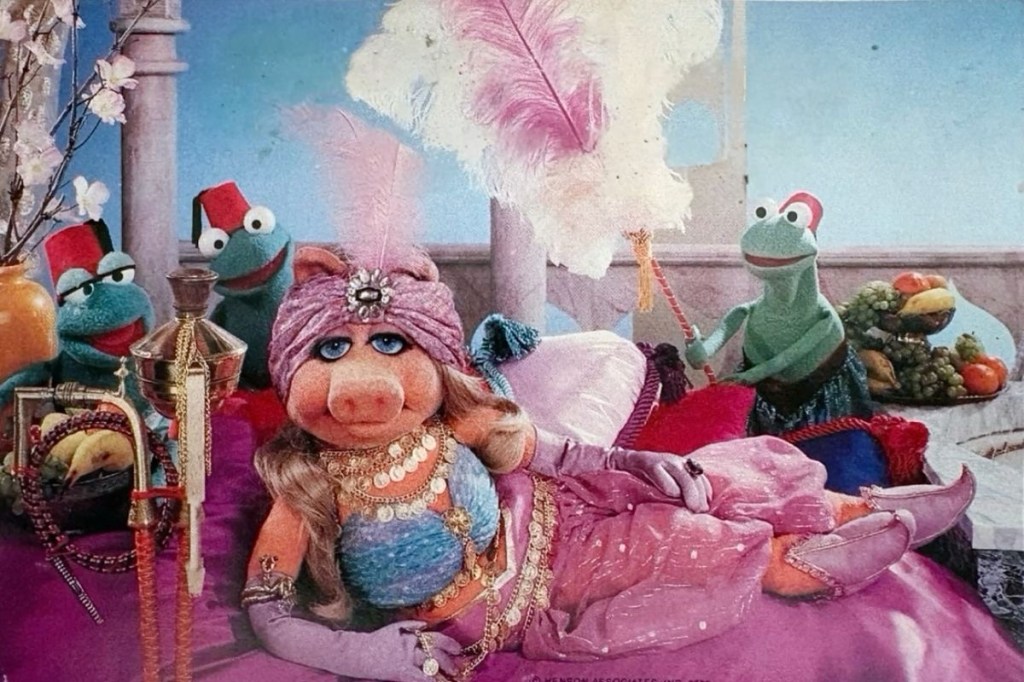
We were told beauty is rare.
Like a limited resource you either catch at the right time or miss completely. Like something you peak into and then slowly lose if you don’t work hard enough to keep it.
We were told beauty has an age. A look. A body type. And once you fall outside of that, you’re supposed to accept it quietly and start “aging gracefully.”
We were told beauty is fragile. That it disappears if you gain weight, get older, get tired, get pregnant, get stressed, or simply live a normal human life.
We were told beauty requires maintenance. Constant effort. Money. Discipline. Products. Prevention. That if you’re not actively doing something to preserve it, you’re letting yourself go.
And we were told beauty belongs to a few. That it lives in certain bodies, faces, skin tones, and lifestyles. Everyone else is just borrowing from it temporarily.
None of that is actually true.
The first trick was narrowing the definition. Beauty got reduced to one look at a time. One aesthetic that cycles every few years and gets labeled as the standard. If you don’t match it, you’re made to feel like you’re outside of beauty instead of simply outside of a trend.
Then they made it urgent.
Beauty was framed as something you could lose at any moment. So now it isn’t something you are. It’s something you have to manage. Maintain. Fix. Delay. Keep up with. Urgency creates scarcity, even when nothing is actually disappearing.
And just when you think you’ve figured it out, the goalposts move.
What was ideal five years ago suddenly isn’t. Thin becomes thick. Thick becomes slim-thick. Natural becomes glam. Glam becomes effortless. Youth becomes ageless. The standard keeps shifting so no one ever gets to feel done.
Another quiet move was turning normal human things into flaws. Pores. Lines. Softness. Asymmetry. Hair doing what hair does. Once normal becomes a problem, beauty feels rare by comparison.
But here’s the part that cracks the illusion.
Beauty isn’t actually scarce. It’s fluid.
The same person can be overlooked in one room and magnetic in another. Beauty changes with energy, confidence, environment, and how someone occupies space. That alone tells you it can’t be owned by one look or one age.
Beauty is also age-fluid. Youth isn’t beauty. It’s just one expression of it. Presence, assurance, sensuality, authority, softness. Those don’t disappear. They deepen.
And beauty isn’t owned by one race, body type, or era. When one group is centered, it doesn’t mean others lack beauty. It just means attention is being directed somewhere specific. Attention can move. Beauty doesn’t vanish.
Once you see that, the panic stops.
You stop chasing standards that keep changing. You stop feeling late. You stop treating beauty like something you’re constantly at risk of losing.
Beauty stops being a competition and starts being something you inhabit.
So here’s the question.
What would change if you stopped treating beauty like something scarce and started acting like it was already yours?

 Burn Your Crocs
Leave a comment